Join us on our two day study of Vienna 1900: Art and Culture on the Cusp of Crisis. 23-24 April 2027.
Bookings open at the end of September
-
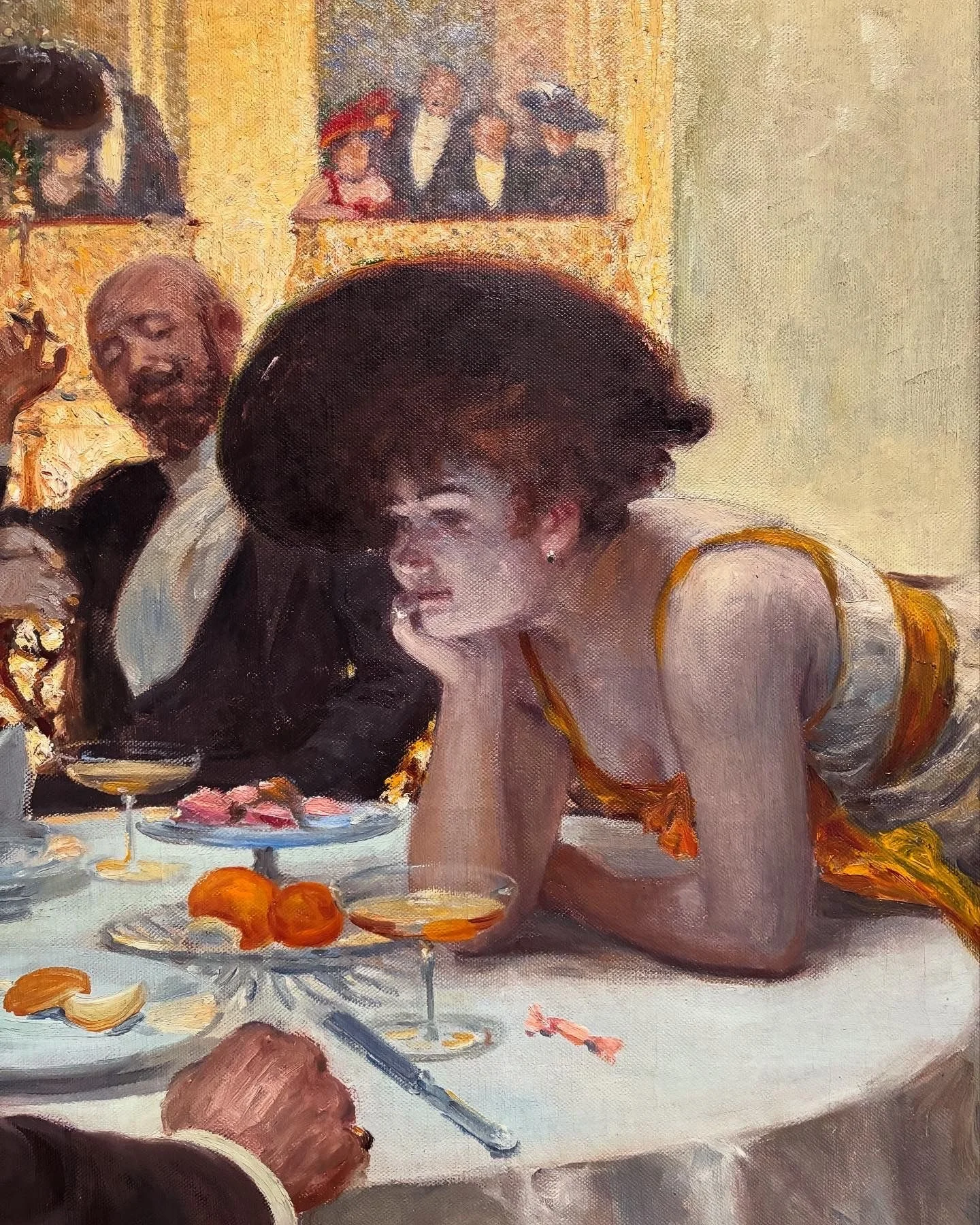
Day 1: Friday 23rd April 2027. How did the fin de siècle happen?
At the turn of the last century, Vienna was the capital of a vast empire and one of the most exciting artistic laboratories in the world. It produced painters such as Gustav Klimt, Egon Schiele and Richard Gerstl, architects like Otto Wagner and Adolf Loos, the psychoanalyst Sigmund Freud, the composer Gustav Mahler and the philosopher Ludwig Wittgenstein. Looking at these and others figures in context, this introductory talk asks how and why the City of Dreams became a cultural hotbed around 1900.
-
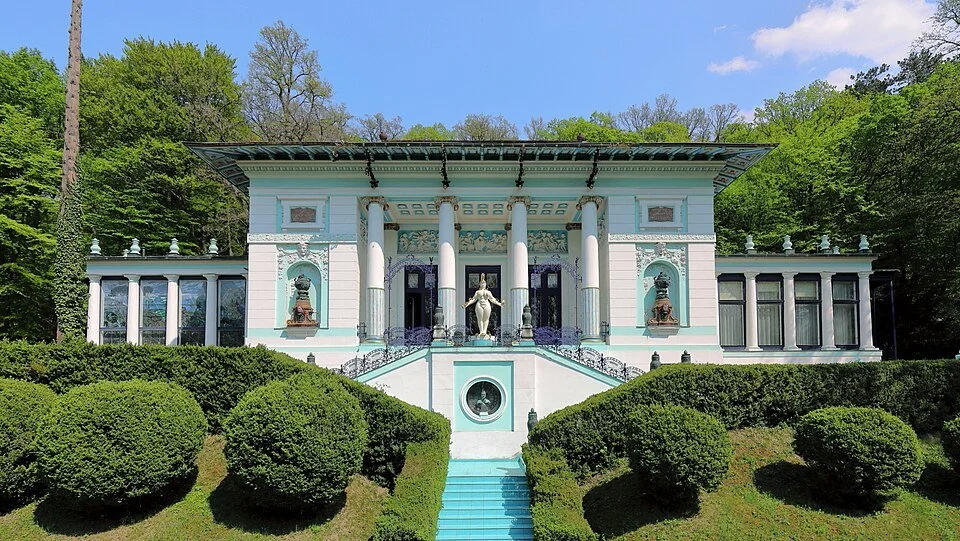
Day 1: Friday 23rd April 2027. Otto Wagner's Vienna
Largely unfamiliar outside his native Austria, Otto Wagner completely changed Vienna in a manner almost as sweeping as Baron Haussmann in Paris: from the construction of Vienna’s suburban railway to flood controls on the Danube. Taking in every aspect of modern life, including stations, museums, apartment blocks and hospitals, Wagner left an extraordinary architectural legacy.
-
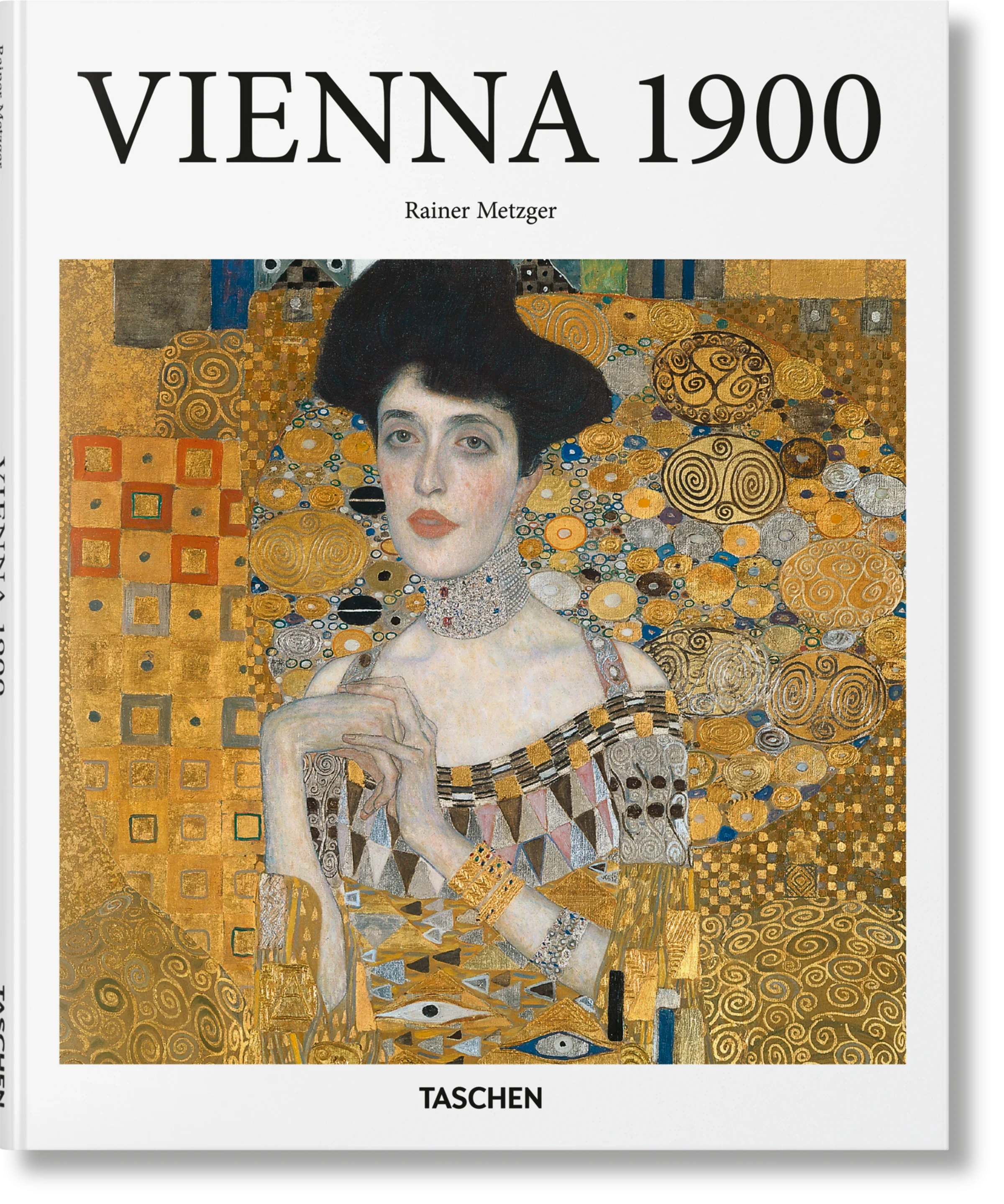
Day 1: Friday 23rd April 2027. Gustav Klimt: Imperial Muralist turned Radical Painter
Klimt was one of the most prominent figures in the Viennese fin de siècle, creating paintings whose sexual themes and bold use of colour and gold shocked an unsuspecting populace. Less is known about his early years as a muralist for the grand municipal buildings and aristocratic palaces of the Austro-Hungarian Empire. This lecture looks at the many changes in Klimt’s life, his eventual rejection of public pomp and the impact of such deviations on his style and works.
-
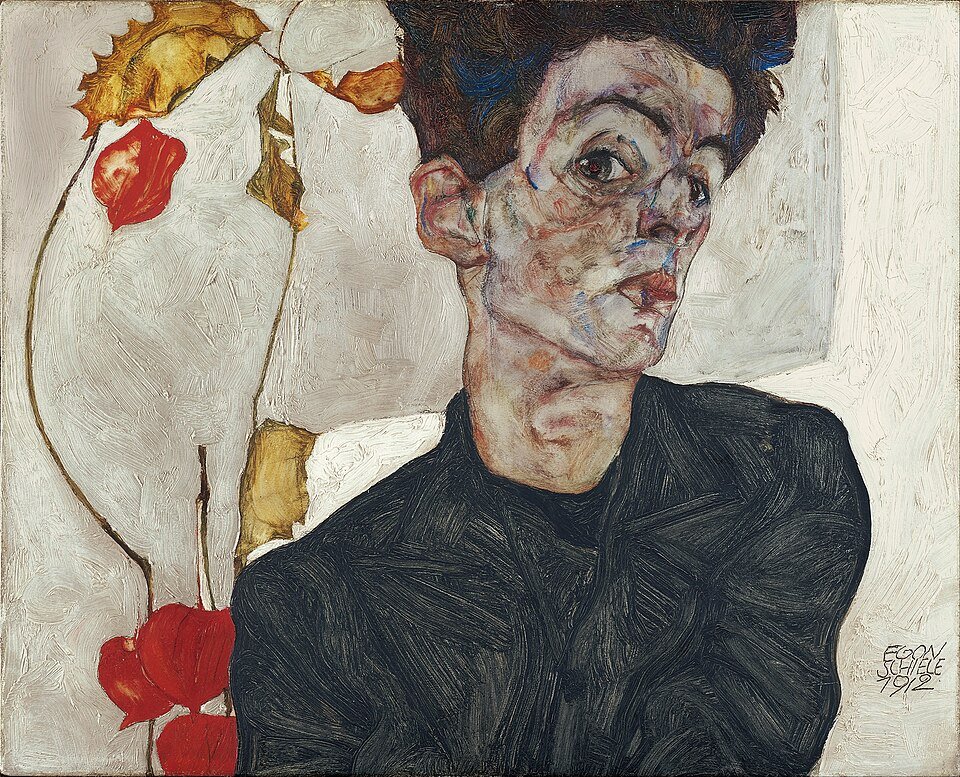
Day 2: Saturday 24th April 2027. Sinew, Sex and Synapse: the Life and Art of Egon Schiele
Born in a railway station north of Vienna, Egon Schiele became the imperial capital’s most shocking artist. Defying the authorities, the Academy of Fine Arts and the curvilinear lines of his idol Klimt’s art nouveau, Schiele created his own brand of artistic expression. He got to the very core of human emotion and the restive experience of life at the beginning of the 20th century. Looking at strained portraits, cramped cityscapes and sparse landscapes alike, this talk surveys 28 years of tenacious creativity, as well as the impact Schiele would have on artists such as Francis Bacon, Jean-Michel Basquiat, Lucien Freud and Tracey Emin.
-
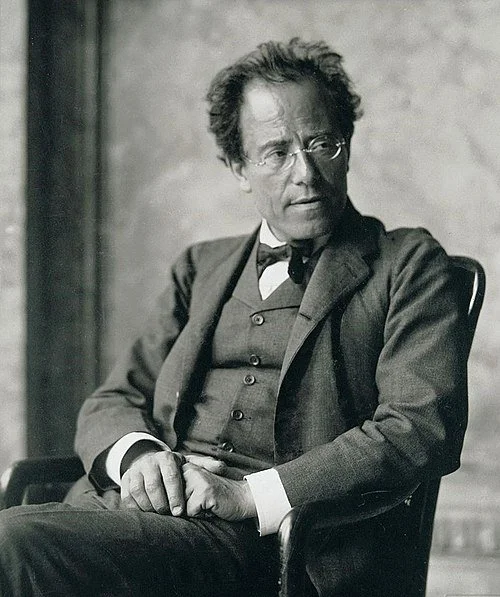
Day 2: Saturday 24th April 2027. Gustav Mahler: Conductor and Composer
In 1897, the year the Secession was founded, Gustav Mahler became music director of the Court Opera House in Vienna. Although it was an imperial and royal institution, the theatre would undergo a transformatory shift in its work under Mahler’s aegis. Yet he was even more daring in his own musical vision, creating symphonies that embraced the world and all the sounds within it. This talk looks at the breadth of Mahler’s vision, as well as the sadness that often trailed his achievements.
-
Day 2: Saturday 24th April 2027.The Gay Apocalypse: Queer Life and Culture in Vienna 1900
In tandem with the publication of Gavin Plumley’s new book, the final session looks at the lives of those who were persecuted by the Habsburg authorities due to their sexuality. Looking at the work of famous figures such as Ludwig Wittgenstein, Hugo von Hofmannsthal and Max Oppenheimer, the lecture will also survey the fight for female suffrage in Central Europe, the establishment of the Women’s Academy and the crucial role members of the LGBTQ+ community played in both the successes and the downfall of the Austro-Hungarian Empire.
Our speaker
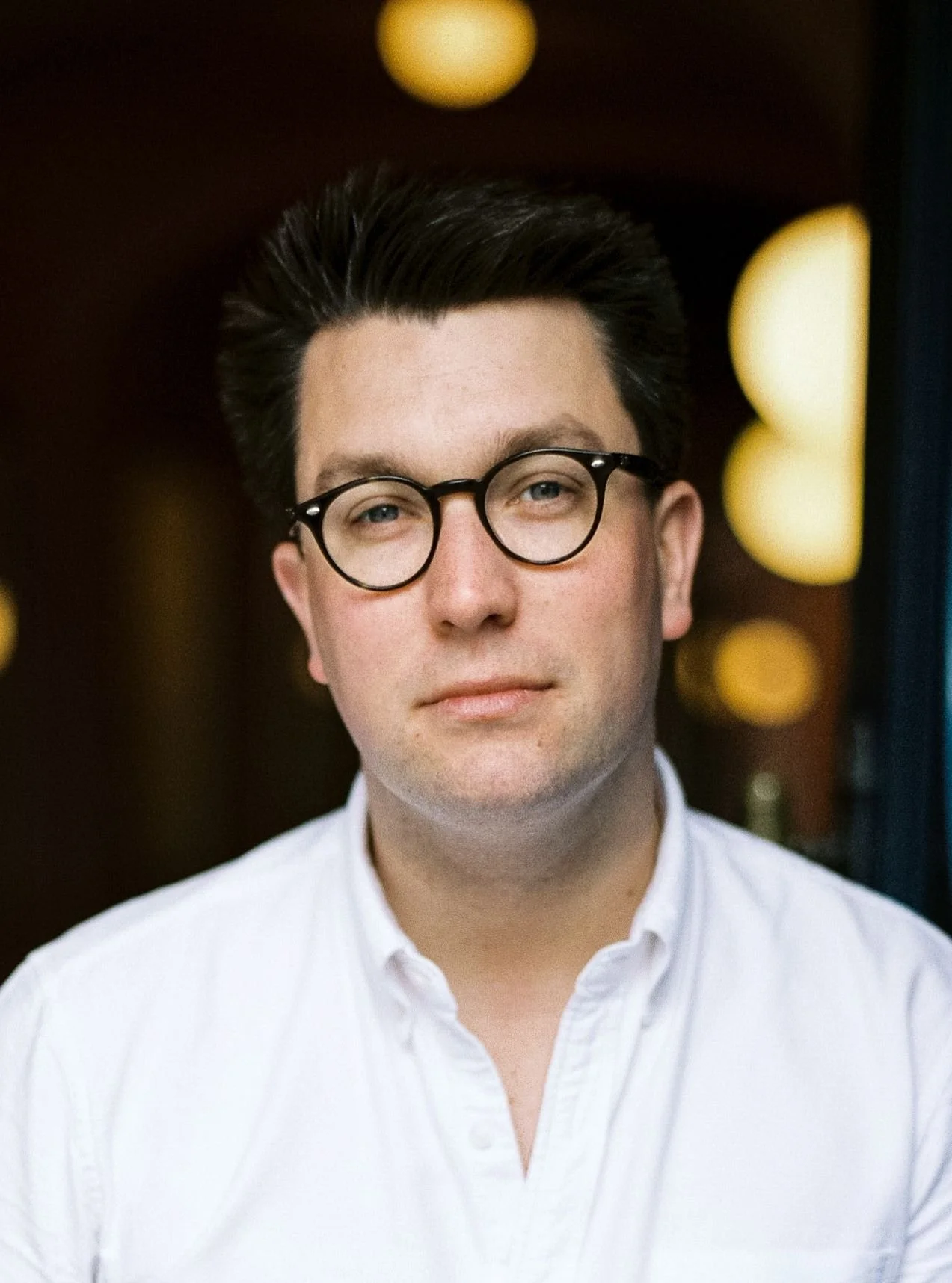
Gavin is a writer and broadcaster. He appears on BBC Radio 3 and 4, and contributes to newspapers, magazines and opera and concert programmes worldwide. He lectures widely about the culture of Central Europe. Recent appearances include Klimt and The Kiss in cinemas worldwide, and talks for the Hay and Cheltenham Literature Festivals, the Royal Opera House, the National Gallery, the National Trust, the National Theatre, the British Museum and the V&A. His first book, A Home for All Seasons, is out now.