The Arthurian Legend. 22nd January 2027
The vast sphere of mythology that turns around the legendary figure of King Arthur is more than an expression of the ideals of knighthood. If chivalry were a religion, the Arthurian cycle would be its creation myth and its bible. Any understanding of medieval knights and the Middle Ages must in part be founded on a working knowledge of the legends of King Arthur. These exist in many forms – in verse and prose but also in visual art.
In this study day, Dr. Toby Capwell leads us through the heart of this remarkable world of stories – some pseudo-historical, others fantastical. We examine the possible origins of King Arthur as a real person, through the development of his legend as, over time, the familiar elements are introduced – Lancelot and Guinevere, The Round Table, Percival, Galahad, The Grail, and the betrayal of Mordred. Finally we explore the impact that these tales have had, after over a thousand years of storytelling.
Bookings Open at the end of September.
-
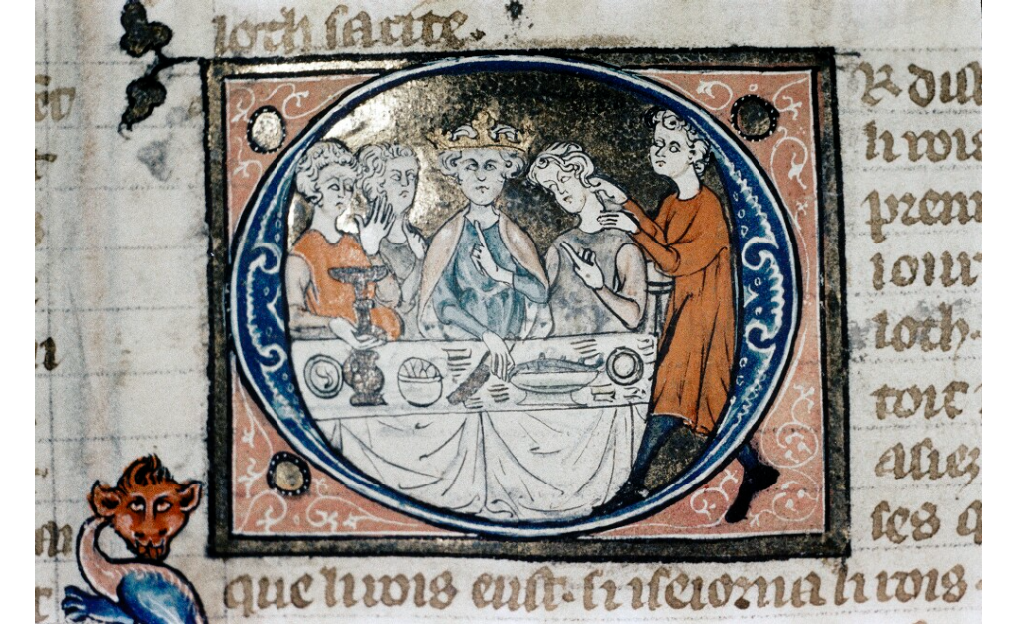
Part 1: King or Warlord? Origins of the Arthurian Cycle
In this first lecture we consider the ways in which stories of King Arthur could have begun – was there a real king named Arthur, or did a purely fictitious character emerge from the mysterious and little-understood landscape of Britain during the Migration Period? We examine the earliest written sources, from those of Gildas and Nennius to the first great account of Arthur’s reign by the Welsh cleric, Geoffrey of Monmouth.
-
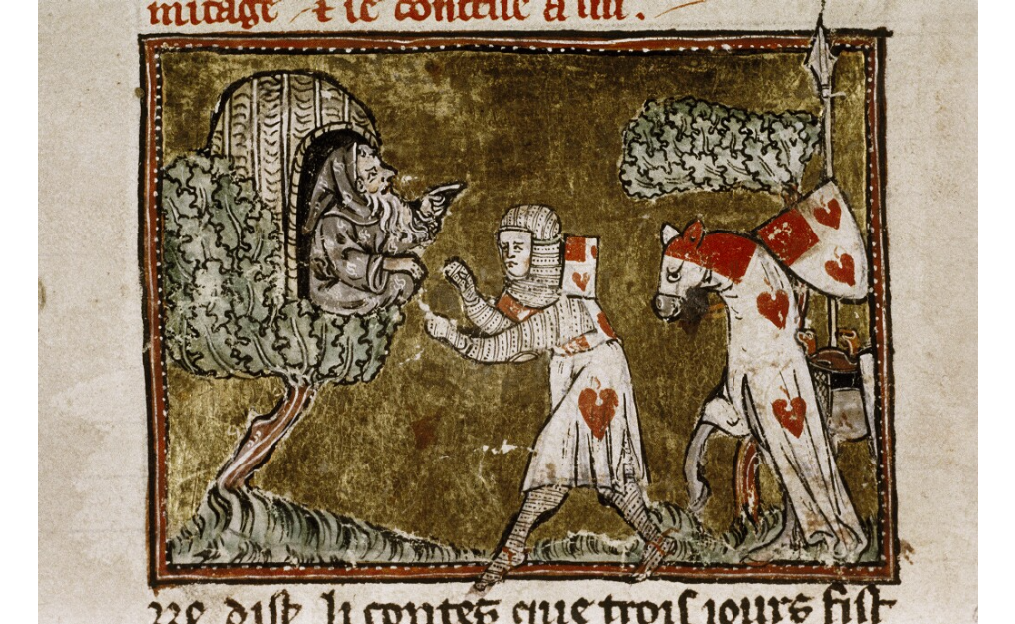
Part 2: The High King: Arthurian Literature and Art in the 13th and 14th Centuries
The fictitious knight as a military entity, the code of chivalry and the Arthurian legend all began evolving together in the 12th century, and with them came a new literary genre – the chivalric romance. Arthurian romances, in particular, became wildly popular in the two following centuries, inspiring not only poets but also visual artists, especially the illustrators of illuminated manuscripts. Much of what we recognise as Arthurian was introduced during this period. Far from being an archaic fantasy however, for medieval people these stories were intensely contemporary and relevant, reflecting current values, desires and aspirations
-
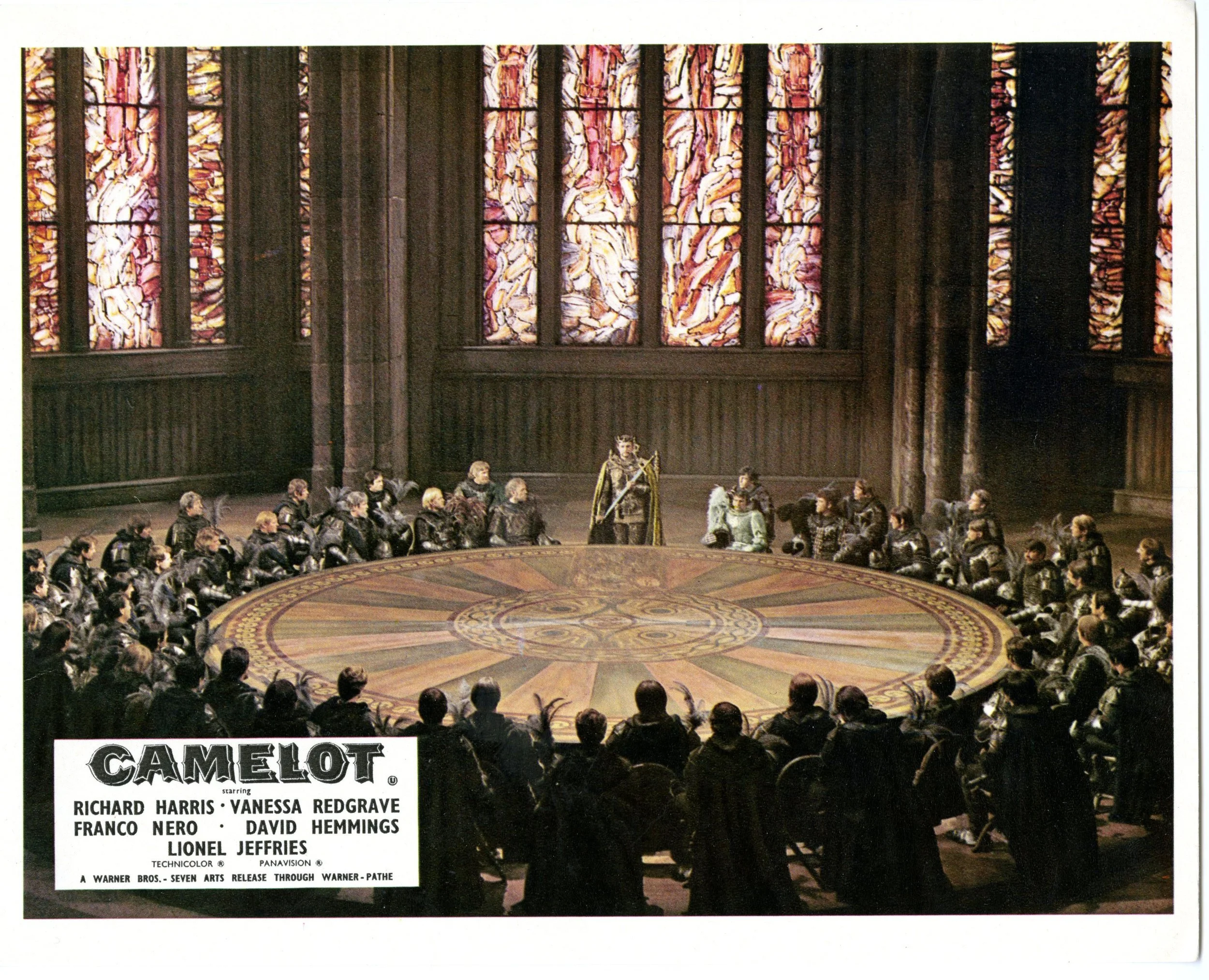
Part 3: The Dead King: Arthurian Legend from the Late Middle Ages to the Present Day
Perhaps most influential writer in the history of Arthurian literature was one Sir Thomas Malory, who, rather unchivalrously, wrote his monumental The Death of Arthur (Le Morte d’Arthur) in prison. His incarceration seems to have given him the time necessary to assemble a great many disparate poems and stories, written during the three previous centuries, into a giant meta-narrative – a comprehensive amalgamation of diverse branches of a pan-European story tradition. This ultimate version of the story of Arthur then became the key to the survival of the mythos down to the present. Victorian poetry, stage plays and ultimately Hollywood films, all dealing with Arthur and his knights, have almost exclusively been based on Malory. In this final lecture we trace that later history from Alfred Lord Tennyson, to T.H. White, to Lerner and Lowe, to John Boorman.
Our Speaker: Toby Capwell
Toby Capwell is an independent scholar and leading authority on medieval and Renaissance arms and armour. Over the last thirty years he has worked with many of the world's great collections, including the Imperial Armoury in Vienna, the Metropolitan Museum of Art in New York, and the Royal Armouries in Leeds. He has served as curator of Glasgow Museums and the Wallace Collection, where he worked for 16 years until January 2023. He is a Fellow of the Society of Antiquaries and a Freeman of the Worshipful Company of Armourers in London. He is the author of many books on armour, weapons and tournaments, has curated numerous exhibitions, and frequently appears in film, television and online media.